How To Assess The Impact Of Humidity On Your Plumbing System In Miami
As a homeowner in Miami, you are no stranger to humidity. The sweltering heat and moisture can wreak havoc on various aspects of your home, especially your plumbing system. Understanding how humidity affects your plumbing can help you mitigate damage, save on costs, and ensure your system runs smoothly.
Humidity levels can lead to increased moisture in the air, which can result in condensation on pipes, especially in unconditioned spaces like basements and crawl spaces. This moisture buildup can encourage the growth of mold and mildew, leading to potential health risks and structural damage. In this article, we'll explore how to assess the impact of humidity on your plumbing system and what steps you can take to protect your home.
Understanding the Effects of Humidity
The high humidity levels typical in Miami can lead to several plumbing issues:
- Condensation on Pipes: When warm, humid air comes into contact with cool pipes, condensation forms. This can lead to water pooling around pipes and possibly promote corrosion over time.
- Mold Growth: Excess moisture can create a breeding ground for mold, particularly in areas where leaks or condensation occur. This not only damages your plumbing but can also affect your health.
- Foundation Issues: High humidity can lead to soil expansion and contraction, potentially causing slab leaks or other foundation issues.
Identifying Signs of Humidity-Related Plumbing Problems
It’s essential to recognize the signs that humidity may be affecting your plumbing system. Watch for:
- Visible condensation on pipes
- Unexplained damp spots on walls or ceilings
- Mold or mildew growth in bathrooms, kitchens, or near pipes
- Unpleasant odors, indicating possible mold presence
If you notice any of these signs, it may be time to take action.
Steps to Assess Humidity Impact on Plumbing
To properly assess the impact of humidity on your plumbing system, consider the following steps:
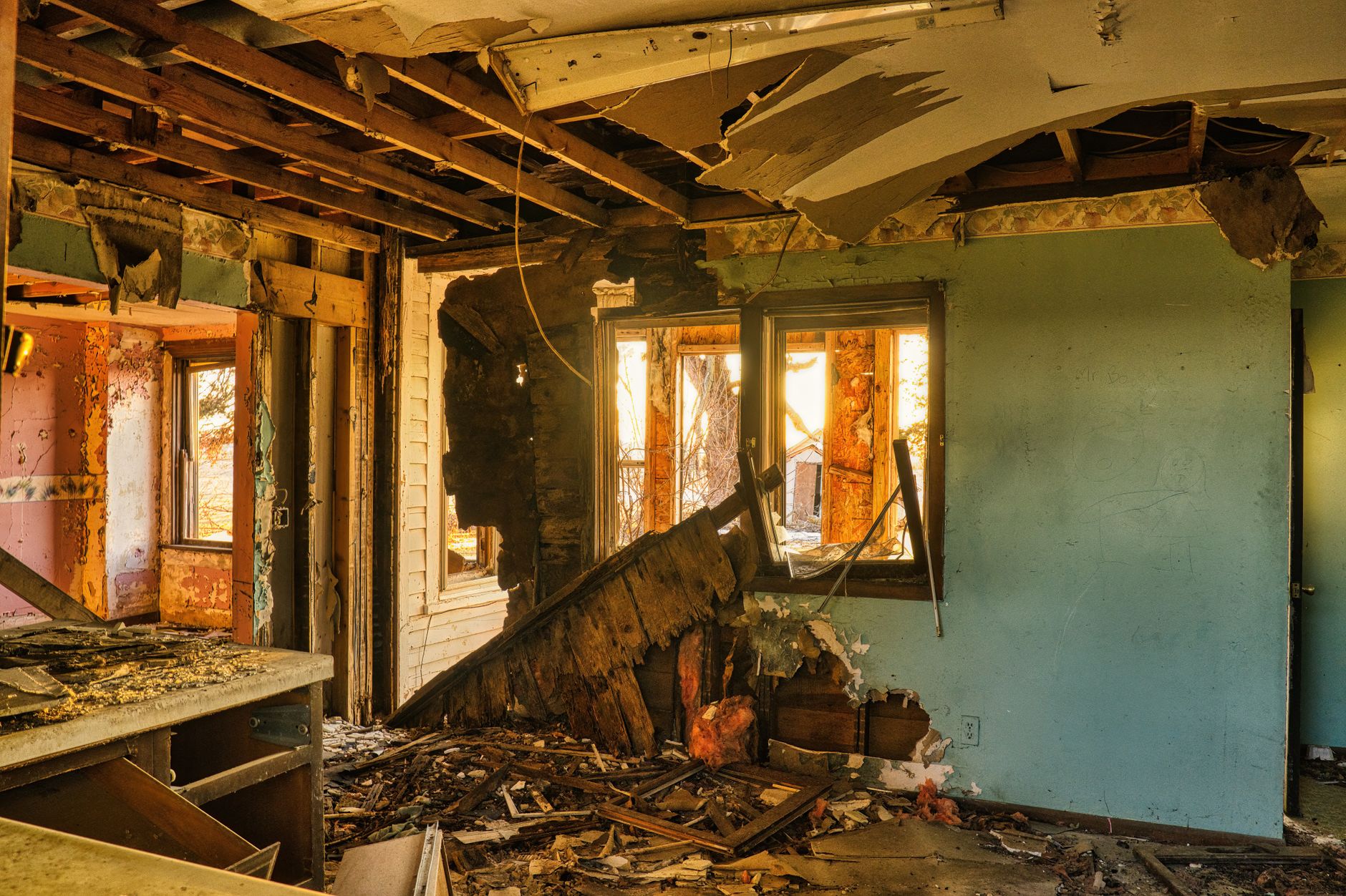
- Conduct a Visual Inspection: Check for signs of water damage, leaks, or mold growth. Pay close attention to poorly ventilated areas such as basements and attics.
- Monitor Indoor Humidity Levels: Invest in a hygrometer to measure indoor humidity levels. Ideally, indoor humidity should be kept between 30-50%.
- Check for Leaks: Inspect faucets, showerheads, and under sinks for any signs of leaks that may be exacerbated by humidity.
- Evaluate Ventilation: Ensure that areas like bathrooms and kitchens are well-ventilated. Proper ventilation can help reduce indoor humidity levels.
When to Call a Professional
While minor humidity-related issues can often be handled by homeowners, some situations warrant calling a professional plumber. If you notice persistent leaks, extensive mold growth, or structural damage, it’s best to consult an expert. A professional can assess the situation thoroughly and recommend appropriate solutions.
Additionally, if you find that humidity is causing frequent plumbing problems, you might want to consider installing a dehumidifier or improving your home’s ventilation system. These measures can help maintain optimal humidity levels, reducing strain on your plumbing.
Conclusion
Assessing the impact of humidity on your plumbing system in Miami is crucial to preventing more significant issues down the line. By conducting regular inspections and monitoring humidity levels, you can protect your home from moisture-related plumbing disasters. If you’re ever in doubt, don’t hesitate to call a plumber for professional advice.
For comprehensive water damage restoration services, you might also want to check out Broward Restoration Pros’ 24-hour water damage restoration services in Lauderdale By The Sea.
To learn more about how water-related issues can lead to mold growth, take a look at this insightful article from Broward Restoration Pros on the hidden impact of water-related mold growth in Broward Homes.