How To Prepare Your Plumbing System For Miami's Heavy Rains
As the rainy season approaches in Miami, homeowners must take proactive measures to protect their plumbing systems from the potential chaos of heavy downpours. These storms can lead to unexpected plumbing issues, which can cause significant damage to your home if not addressed in a timely manner. Understanding how to prepare your plumbing for the rain can save you both time and money in the long run.
Common Plumbing Problems During Heavy Rains
Heavy rains can overwhelm the drainage systems and lead to various plumbing issues. Some common problems that you might encounter include:
- Drain Backups: Excessive rain can cause sewer systems to overflow, leading to backups in your home.
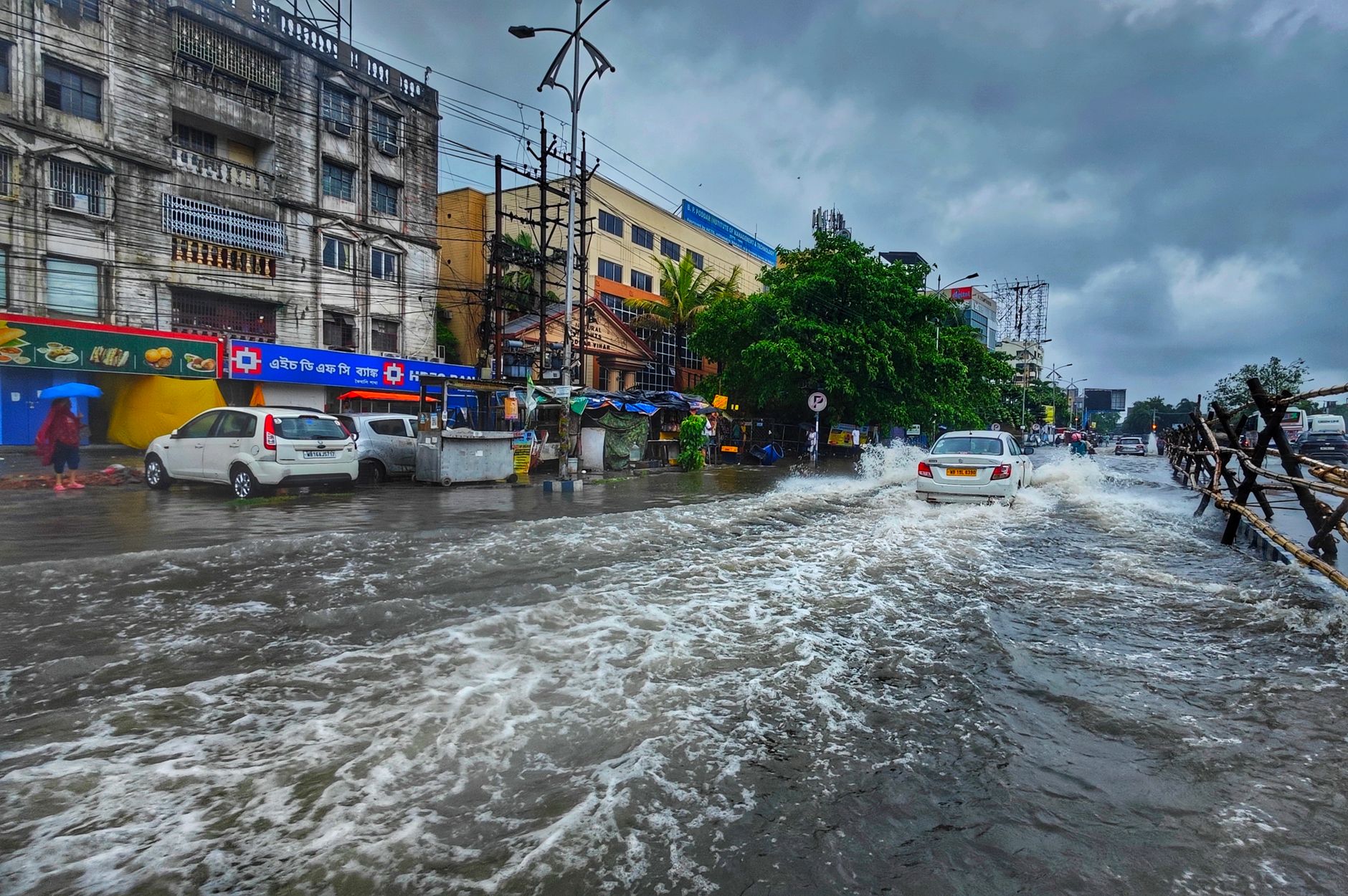
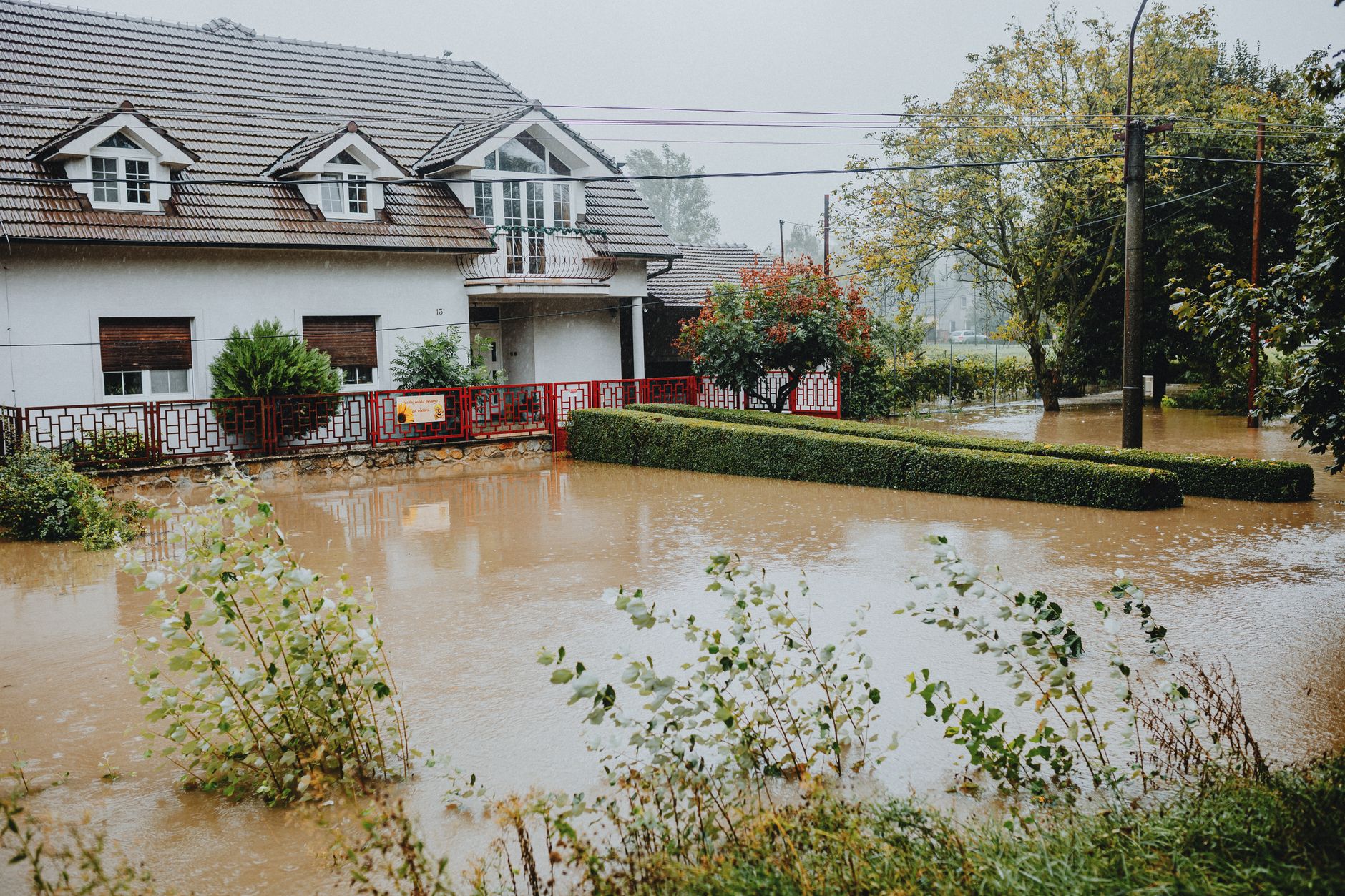
- Flooding: Water can seep into your basement or crawl space, causing flooding and water damage.
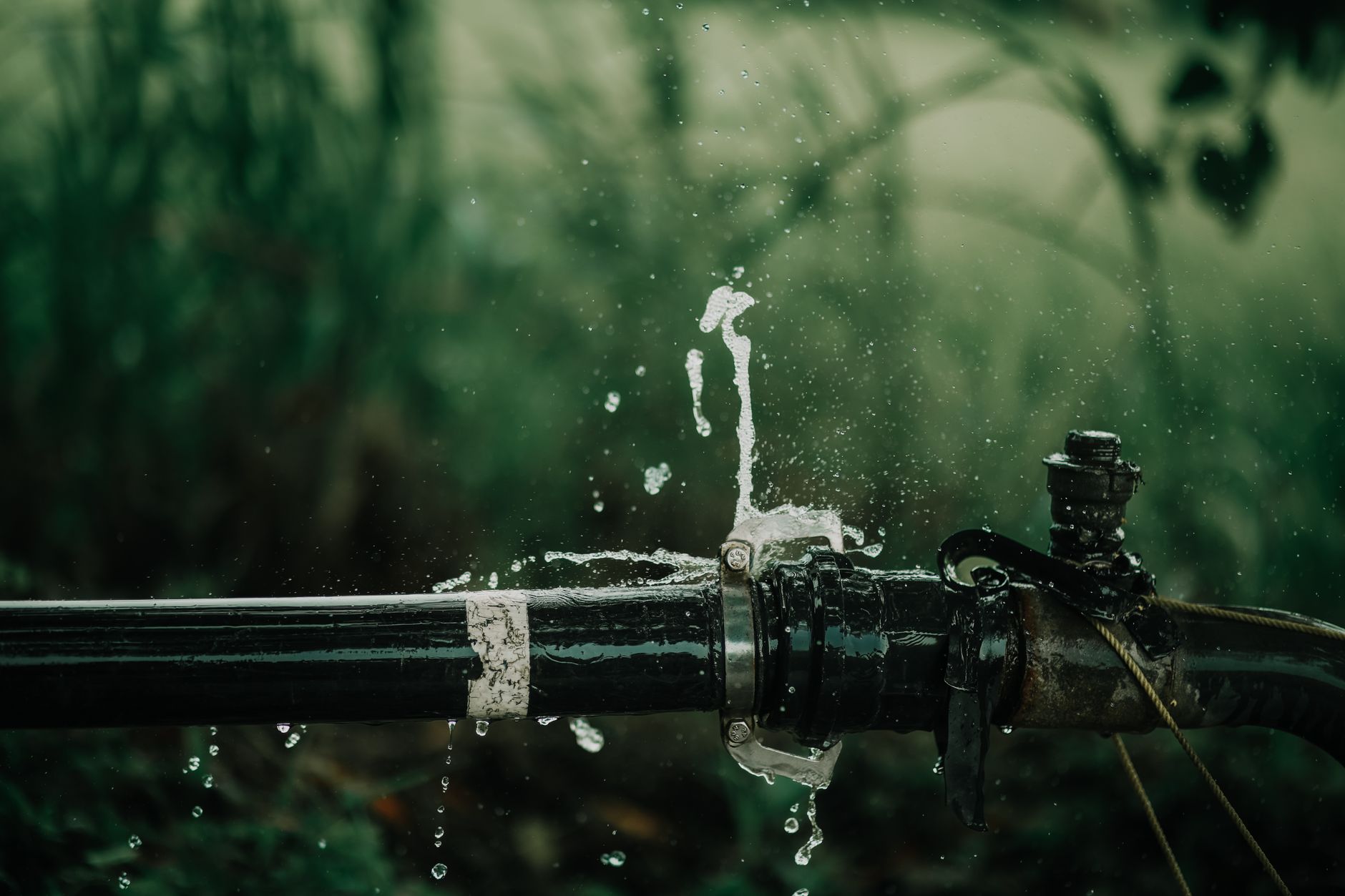
- Pipe Bursts: The pressure from water buildup can lead to burst pipes, which can result in costly repairs.
Being aware of these potential issues is the first step in effectively preparing your plumbing system.
Steps to Prepare Your Plumbing System
Here are several practical steps you can take to ensure your plumbing system is ready for Miami's heavy rains:
1. Inspect Your Gutters and Downspouts
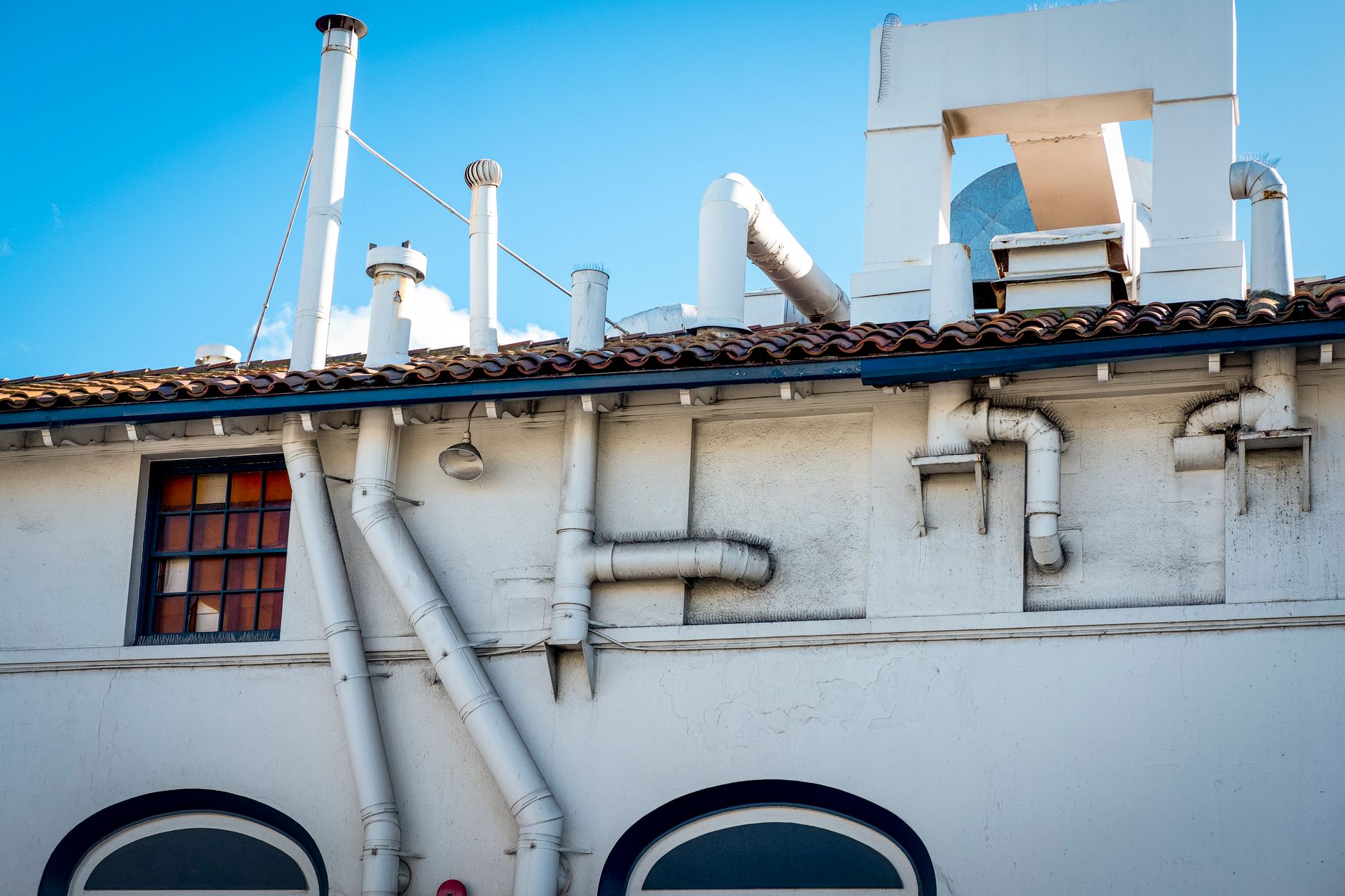
Ensure that your gutters are clean and free of debris. Clogged gutters can prevent water from flowing away from your home, leading to potential water damage. Make sure downspouts direct water at least three to four feet away from your foundation.
2. Check for Leaks
Perform a thorough inspection of your plumbing system to identify any leaks. Look for damp spots on walls, ceilings, or floors, and consider using leak detection services if you suspect hidden leaks that are hard to find.
3. Secure Outdoor Hoses
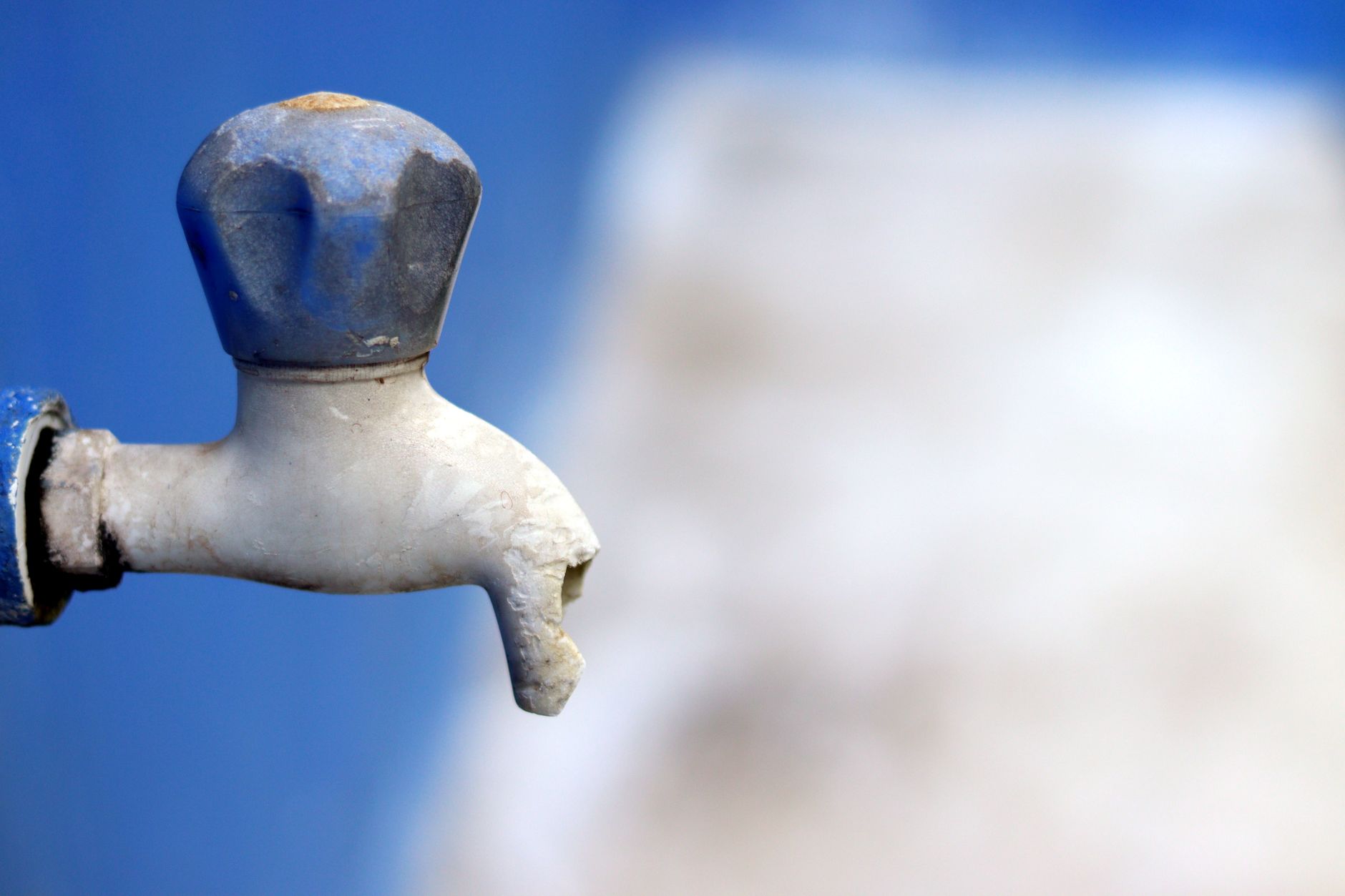
Disconnect hoses from outdoor faucets and store them indoors. This prevents unnecessary pressure on your plumbing system and reduces the risk of burst pipes.
4. Install a Sump Pump
If your home is prone to flooding, consider installing a sump pump in your basement. This device can help remove excess water and prevent flooding during heavy rains.
5. Know Your Shutoff Valve
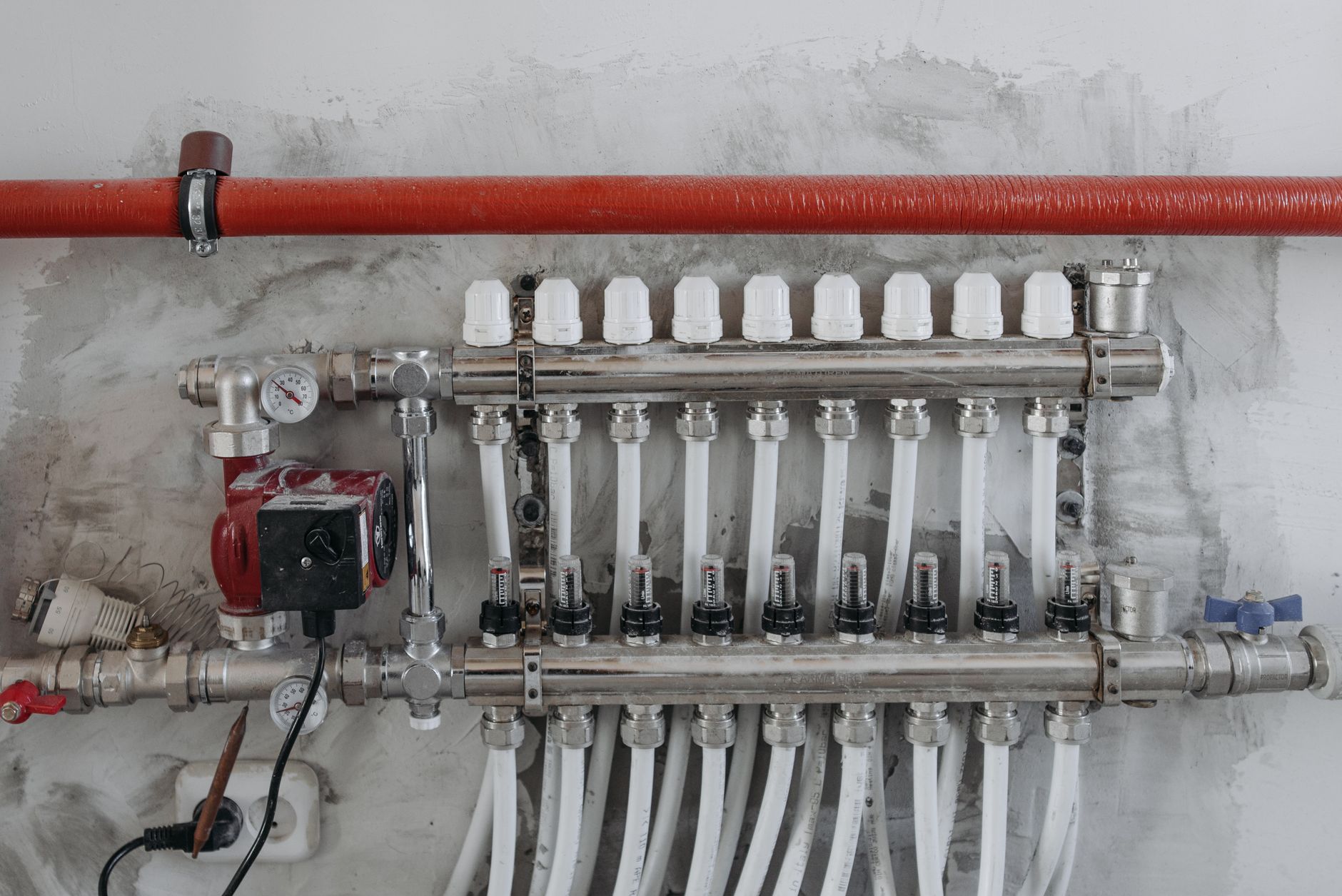
In case of an emergency, knowing where your main shutoff valve is located can be a lifesaver. Make sure all household members are aware of its location and how to use it.
When to Call a Professional
If you notice signs of serious plumbing issues, such as frequent backups or constant leaks, it might be time to call in a professional plumber. Addressing plumbing problems early can prevent more extensive damage down the line. For emergency situations, you can rely on the expertise of local professionals like Broward Plumbing Pros who specialize in plumbing services during heavy rainfall.
Be Prepared for Heavy Rains
By taking these proactive steps, you can safeguard your plumbing system against the potential issues that heavy rains can bring. Remember, thorough preparation is key to avoiding plumbing disasters. For more detailed guidance, check out this article on how to prepare your plumbing during heavy rainfall.
Stay vigilant, and you can enjoy the rainy season without the worry of plumbing problems.