How To Identify Plumbing Vulnerabilities In Miami Dade's Historic Homes
Owning a historic home in Miami Dade can be a rewarding experience, but it also comes with its own set of challenges. One of the most critical issues that homeowners may face is plumbing vulnerabilities. As these homes age, various factors can lead to plumbing problems that, if left unchecked, could result in significant damage. In this guide, we'll explore how to identify these vulnerabilities, what signs to look for, and when it's time to call a professional.
Understanding Your Home's Plumbing System
The first step in identifying plumbing vulnerabilities is understanding the layout and materials of your home’s plumbing system. Older homes often feature outdated piping materials such as galvanized steel, lead, or even clay, all of which can pose risks. These materials can corrode, leak, or break down over time, leading to plumbing issues.
Common Signs of Plumbing Vulnerabilities
As a homeowner, being vigilant about the signs of plumbing issues is crucial. Here are some common indicators:
- Unexplained Water Bills: If your water bill suddenly spikes without any obvious reason, it could indicate a hidden leak.
- Water Stains on Walls or Ceilings: These can be signs of leaks from pipes running through walls or ceilings, particularly in older homes.
- Mold or Mildew Growth: Areas with excess moisture are prone to mold, which can indicate plumbing leaks.
- Low Water Pressure: This might suggest a blockage or a leak in your plumbing system.
Inspecting Your Plumbing System
To identify vulnerabilities, conduct a thorough inspection of your plumbing system. Start by checking the following areas:
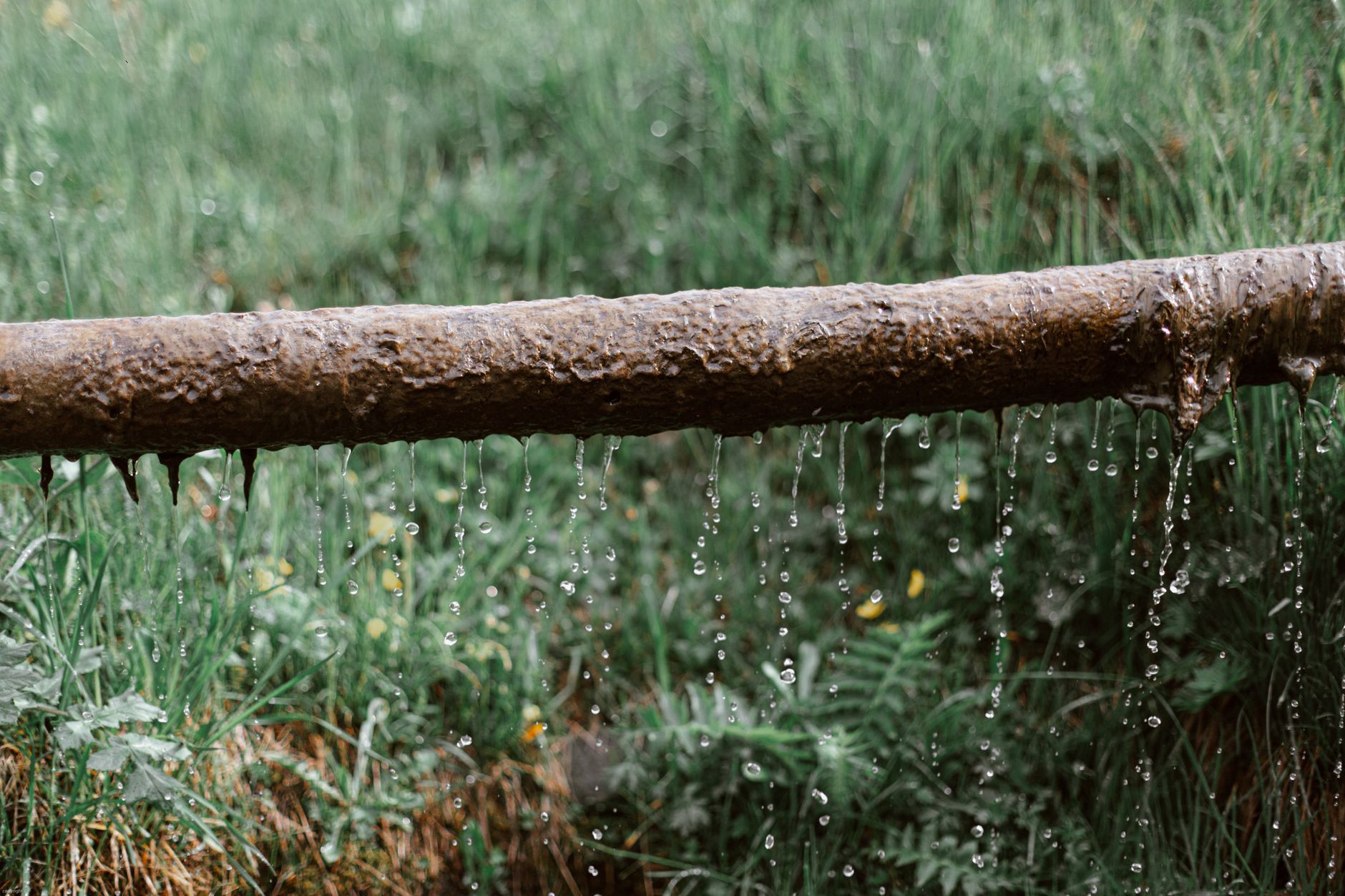
- Basement or Crawl Space: Look for signs of moisture, corrosion, or water stains on exposed pipes.
- Under Sinks: Check for leaks around sink traps and supply lines, which are common leak points.
- Water Heater: Inspect the water heater for signs of rust or leaks, especially at the connections.
If you notice any of these signs, it's essential to address them promptly. Ignoring small issues can lead to more extensive problems, including structural damage and costly repairs.
When to Call a Professional
While DIY inspections can be helpful, certain situations warrant a call to a professional plumber. If you find persistent leaks, significant water damage, or if you're unsure about the integrity of your plumbing system, it's best to seek expert assistance. Plumbers have the experience and tools necessary to perform a comprehensive plumbing inspection and identify issues that may not be visible to the untrained eye.
Preventing Future Plumbing Issues
To protect your historic home from plumbing vulnerabilities, consider regular maintenance checks. Schedule annual plumbing inspections and stay proactive about any signs of plumbing issues. Simple measures like insulating pipes, especially in colder months, can help prevent freezing and bursting.
For more specific plumbing needs, such as dealing with leaks or clogged drains, you can refer to our Leak Detection services or consult our article on Emergency Plumbing for urgent situations.
Additionally, if you are interested in more information regarding plumbing issues in nearby areas, check out the services offered by Broward Plumbing Pros. They serve places like Coconut Creek, where you can find specialized services for AC drain line leaks.
Conclusion
Identifying plumbing vulnerabilities in historic homes is essential for maintaining the integrity and comfort of your living space. By staying informed about potential issues and knowing when to call for help, you can protect your investment and ensure your home remains a safe haven. For more expert tips on plumbing challenges, we recommend reading our detailed article on how to identify and fix plumbing backups.