The Role Of Plumbing Insulation In Reducing Energy Costs For Miami Dade Homes
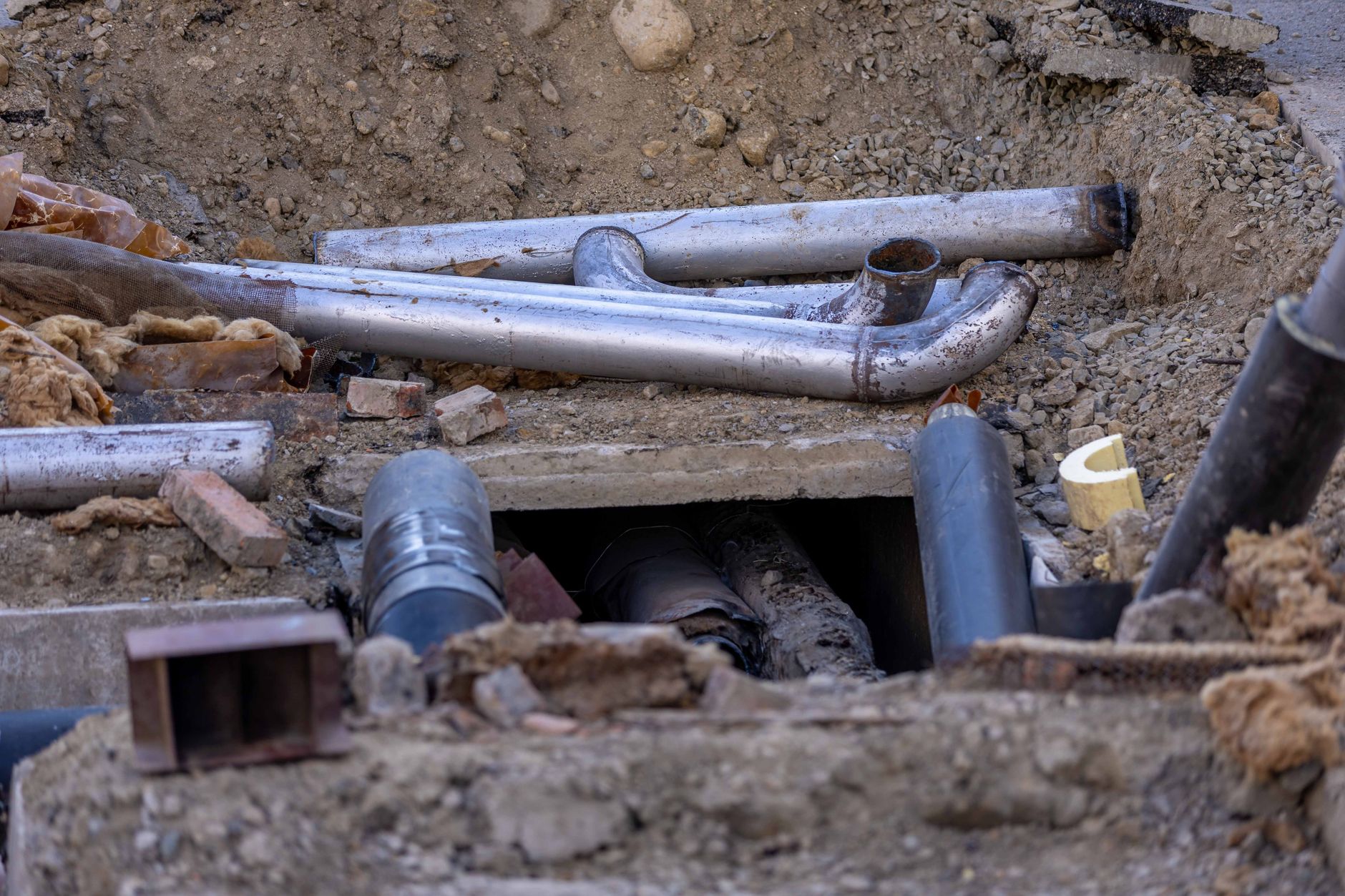
In the vibrant climate of Miami Dade County, homeowners often face the dual challenge of maintaining comfort while managing energy expenses. Plumbing insulation plays a crucial role in this balance, especially in a region where humidity and heat can lead to higher energy bills. Understanding how insulation works in plumbing can help you save money and improve your home's efficiency.
What Is Plumbing Insulation?
Plumbing insulation refers to the materials used to wrap pipes, preventing heat loss or gain. This insulation is particularly important for hot water pipes, which can lose heat as they travel through unconditioned spaces, such as attics or basements. Insulating your plumbing not only helps maintain water temperature but also enhances your overall energy efficiency.
Benefits of Plumbing Insulation
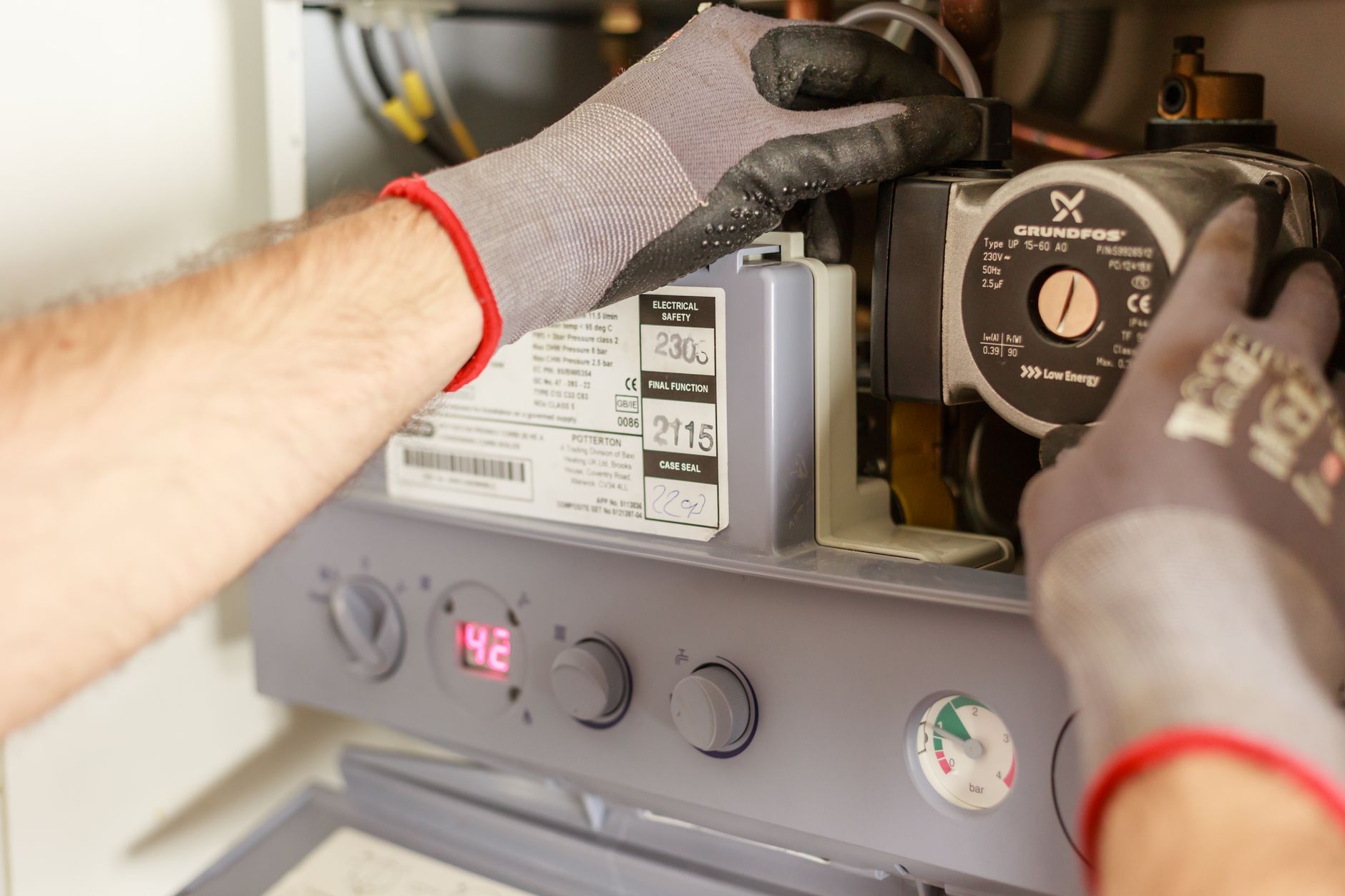
There are several benefits to insulating your plumbing system:
- Energy Savings: One of the most significant advantages is the reduction in energy costs. Insulated pipes keep hot water hot and cold water cold, meaning your water heater or cooling system doesn't have to work as hard.
- Condensation Prevention: Insulation helps prevent condensation on cold pipes, which can lead to moisture problems, mold growth, and even structural damage over time.
- Noise Reduction: Insulated pipes can also reduce noise from water flow, creating a quieter environment in your home.
When to Consider Insulating Your Plumbing
If you live in an older home or have uninsulated pipes running through unconditioned spaces, it may be time to consider insulation. Additionally, if you notice higher energy bills or inconsistent water temperatures, these could be signs that insulation is needed. Insulation is particularly important for:
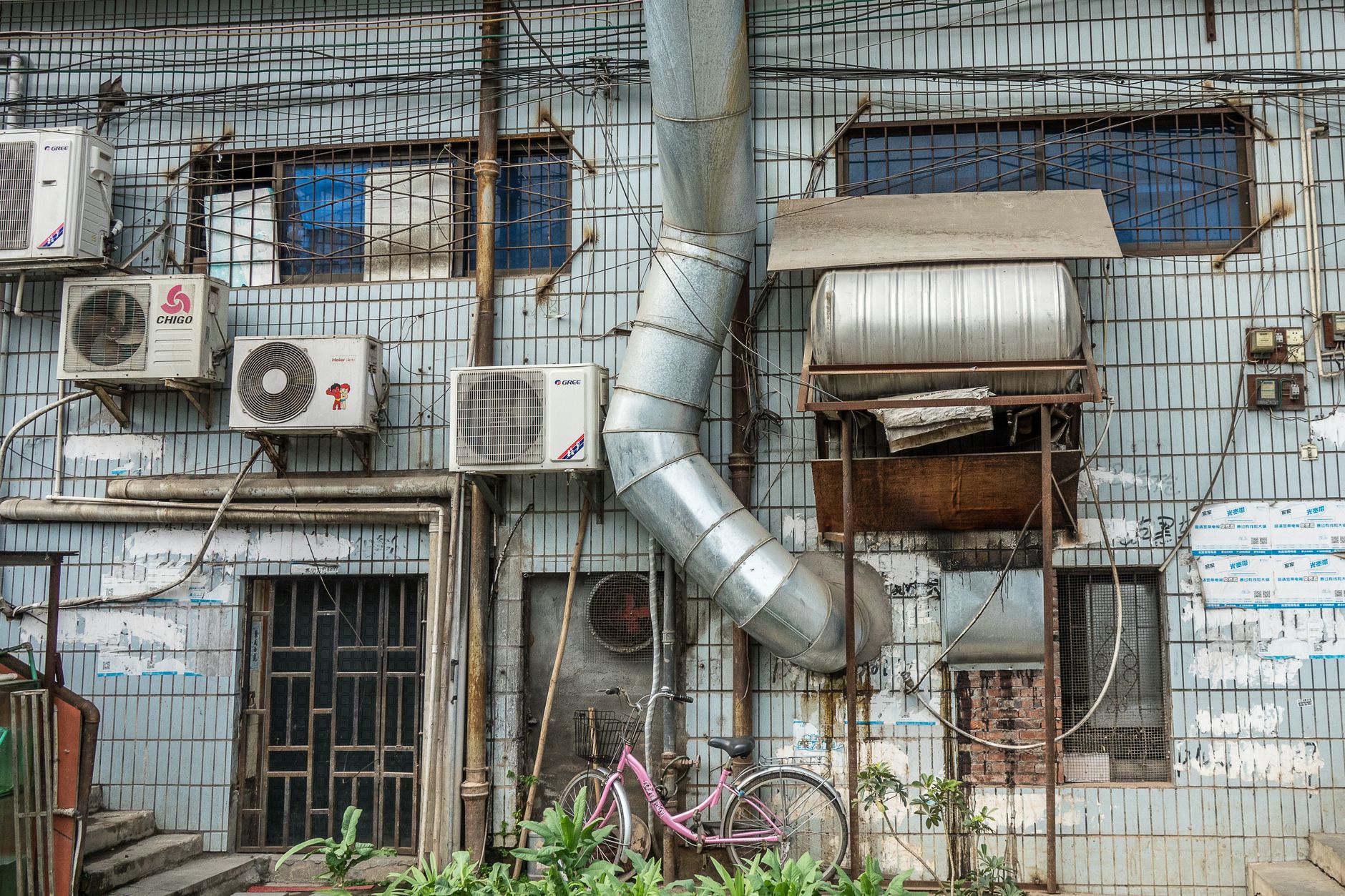
- Pipes in attics or crawl spaces
- Hot water supply lines
- Cold water lines that run through warm areas
How to Insulate Plumbing Pipes
Insulating plumbing pipes can be a straightforward DIY project if you have the right materials. Here's how to do it:
- Purchase foam pipe insulation or fiberglass insulation sleeves designed for your pipe size.
- Cut the insulation to fit each section of pipe, ensuring it covers all exposed areas.
- Secure the insulation in place with tape or zip ties.
However, if your plumbing issues are more complex or if you feel uncomfortable tackling this task on your own, it's always best to consult a professional plumber. They can ensure that your insulation is installed correctly and effectively.
Consulting a Professional
While DIY projects can be rewarding, when it comes to plumbing insulation, enlisting the help of a professional can save you time and ensure quality workmanship. A licensed plumber will understand the best insulation materials for your specific needs and can assess your entire plumbing system for potential issues.
If you're looking for reliable plumbing services, consider reaching out to Palm Beach Plumbing Experts, who specialize in efficient plumbing solutions tailored for homes in the area.
Conclusion
Incorporating plumbing insulation into your home maintenance routine is a smart investment that can lead to significant energy savings and improve your overall comfort. With Miami Dade's unique climate, taking steps to insulate your plumbing can mitigate energy costs and enhance your home's efficiency. Don’t hesitate to reach out to a professional plumber to assess your needs and get started on this energy-saving upgrade.
For more tips on plumbing solutions, check out the Ultimate Guide To Choosing Plumbing Fixtures For Palm Beach Homes.