How To Protect Your Plumbing From Miami Dade's Saltwater Intrusion
Living in Miami Dade County comes with its own unique set of challenges, especially when it comes to home maintenance. One of the most pressing issues homeowners face is saltwater intrusion. This phenomenon can lead to significant plumbing problems, threatening the integrity of your pipes and fixtures. If you’ve ever experienced rusted plumbing or unexplained leaks, you might be dealing with the effects of saltwater in your home.
Saltwater intrusion occurs when seawater encroaches on freshwater aquifers, often due to rising sea levels or over-extraction of groundwater. In Miami Dade, this is increasingly common due to climate change and urban development. As a homeowner, understanding how to protect your plumbing from these risks is essential.
Understanding the Risks of Saltwater Intrusion
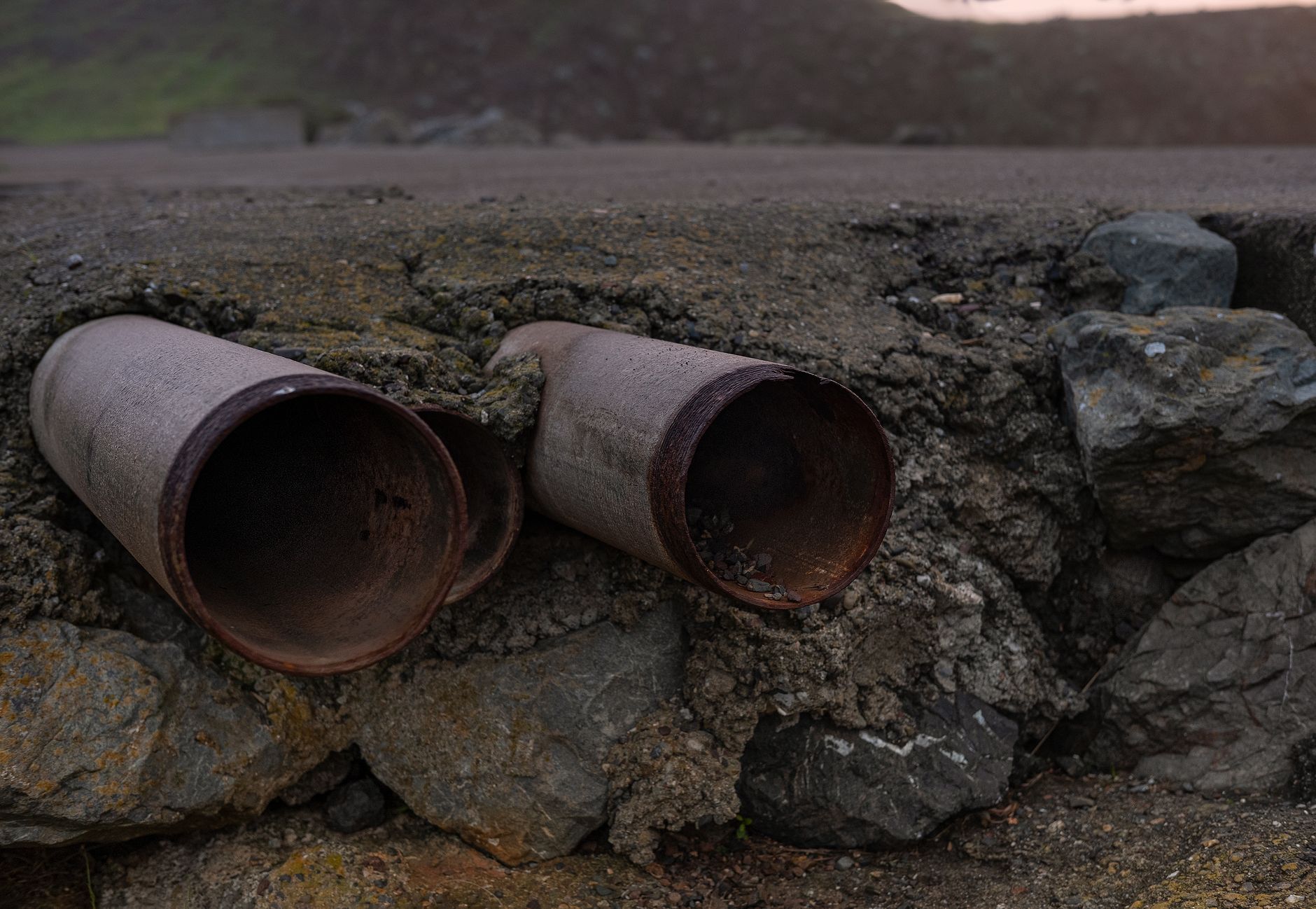
Saltwater can corrode pipes, especially those made of copper or iron. This corrosion can lead to leaks and other plumbing failures that might not be immediately visible. In addition, saltwater can affect your water quality, making it unsafe for drinking and other domestic uses. Consider the following risks:
- Corrosion: Salt accelerates the deterioration of metal pipes.
- Clogging: Salt deposits can lead to blockages in your plumbing system.
- Water Quality: Saltwater contamination affects taste and safety.
Preventive Measures for Homeowners
Fortunately, there are several steps you can take to safeguard your plumbing from saltwater damage:
1. Install a Water Softener
A water softener helps remove excess minerals from your water supply, reducing the corrosive effects of salt. By softening your water, you can protect your plumbing fixtures and appliances from damage.
2. Regular Inspections
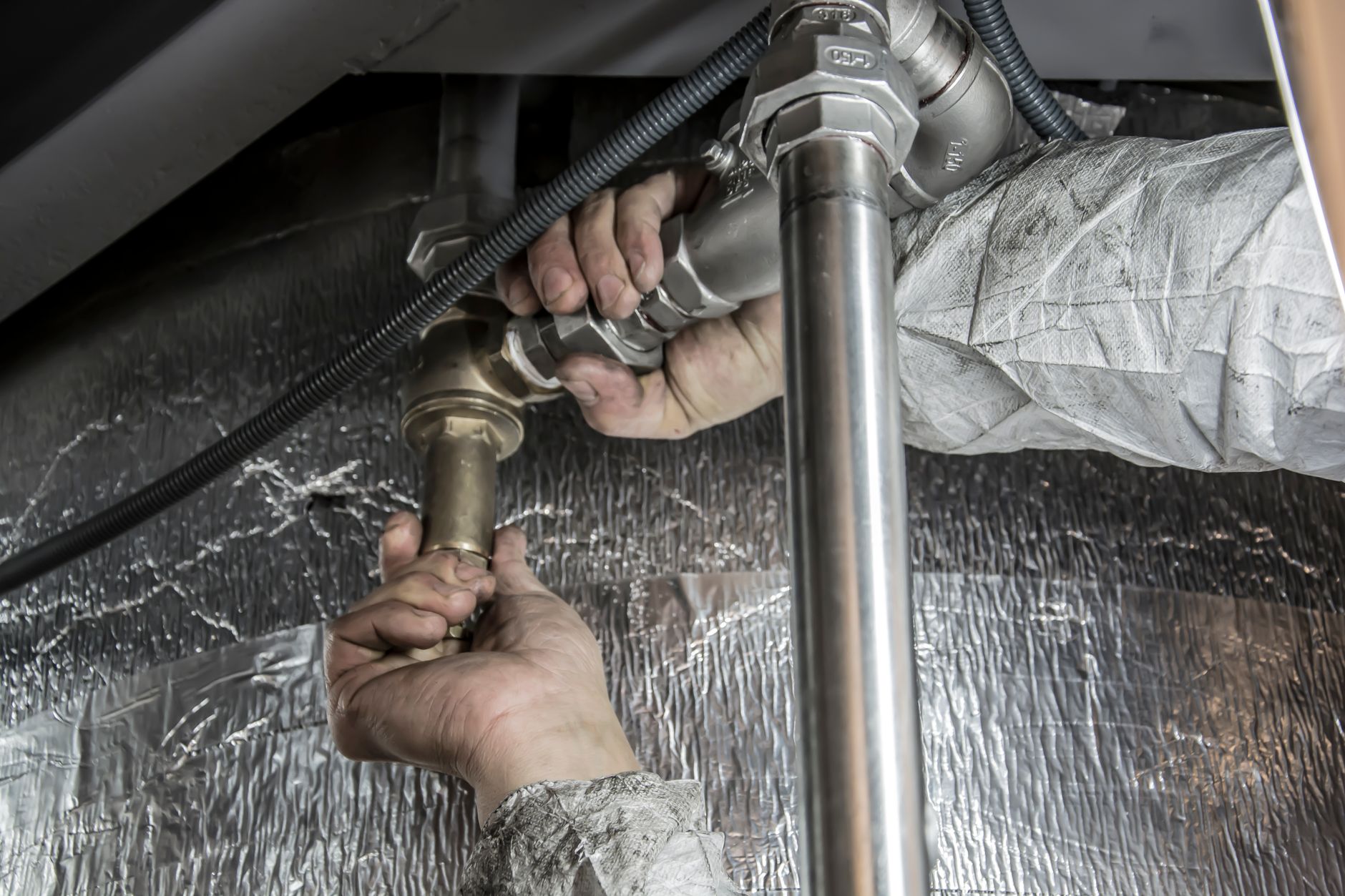
Scheduling regular plumbing inspections can help identify potential problems before they escalate. A professional plumber can check for signs of corrosion, leaks, and other issues that may arise from saltwater exposure. If you're in need of a plumber, consider contacting Miami 24 Hour Plumbing for immediate assistance.
3. Use Protective Coatings
Applying protective coatings on your pipes can provide an additional layer of defense against corrosion. Consult with a plumbing expert to determine the best options for your home.
4. Maintain Your Landscape
Ensure proper drainage in your yard to prevent saltwater from pooling around your home’s foundation. This can be achieved through landscaping adjustments or the installation of drainage systems.
When to Call a Professional
If you suspect that your plumbing has already been affected by saltwater intrusion, it's crucial to call a professional plumber immediately. Signs to look out for include:
- Unexplained leaks or water stains
- Rusty pipes or fixtures
- Changes in water taste or odor
Ignoring these signs can lead to more severe damage, costing you significantly in repairs and replacements. Palm Beach Mold And Water specializes in water damage restoration and can provide expert guidance on how to handle saltwater damage.
Conclusion
Protecting your plumbing from saltwater intrusion is an essential task for homeowners in Miami Dade. By taking proactive measures, conducting regular inspections, and knowing when to call a professional, you can mitigate the risks associated with this environmental challenge. Remember, your plumbing system is a critical component of your home, and safeguarding it will help ensure your property remains a safe and comfortable place to live.
For more information on how coastal flooding affects mold growth in Palm Beach properties, check out this informative blog. It’s always better to be prepared!