How To Safeguard Your Plumbing During Miami's Hurricane Season
As Miami's hurricane season approaches, many homeowners find themselves overwhelmed with preparations. One crucial aspect that often gets overlooked is plumbing. It’s easy to focus on securing windows and stocking up on supplies, but neglecting your plumbing can lead to serious issues down the line. Just imagine coming back home after a storm to find your house flooded due to a plumbing failure. Let's explore how you can protect your plumbing during this critical time.
Understanding the Risks
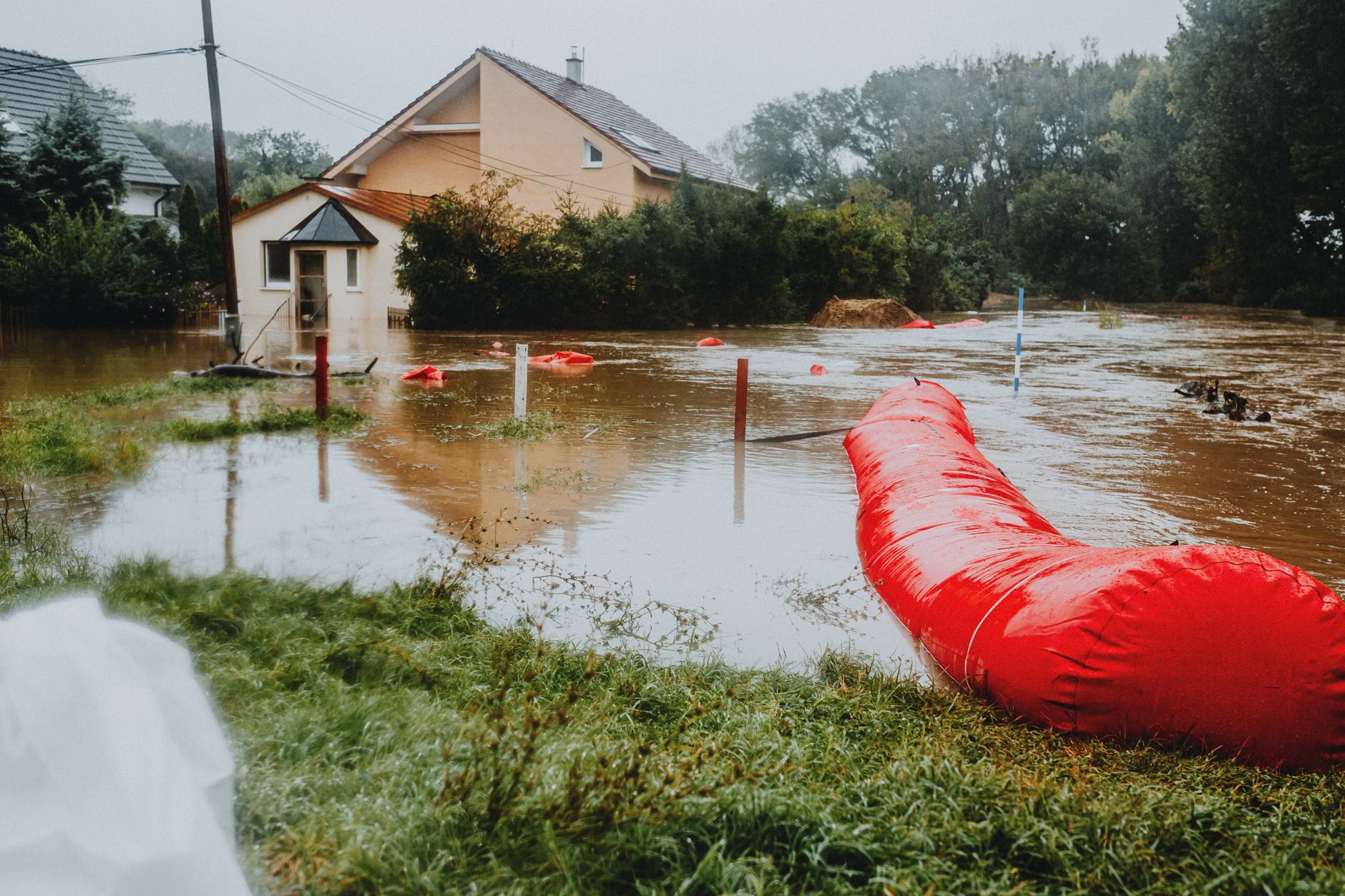
Miami's unique climate and geography expose homes to various plumbing risks during hurricane season. Heavy rainfall and strong winds can cause flooding, which may lead to water damage and significant plumbing emergencies. Additionally, debris can clog drains and sewer systems, increasing the likelihood of backups and other plumbing issues.
Pre-Storm Preparations
Before a hurricane hits, there are several steps you can take to safeguard your plumbing:
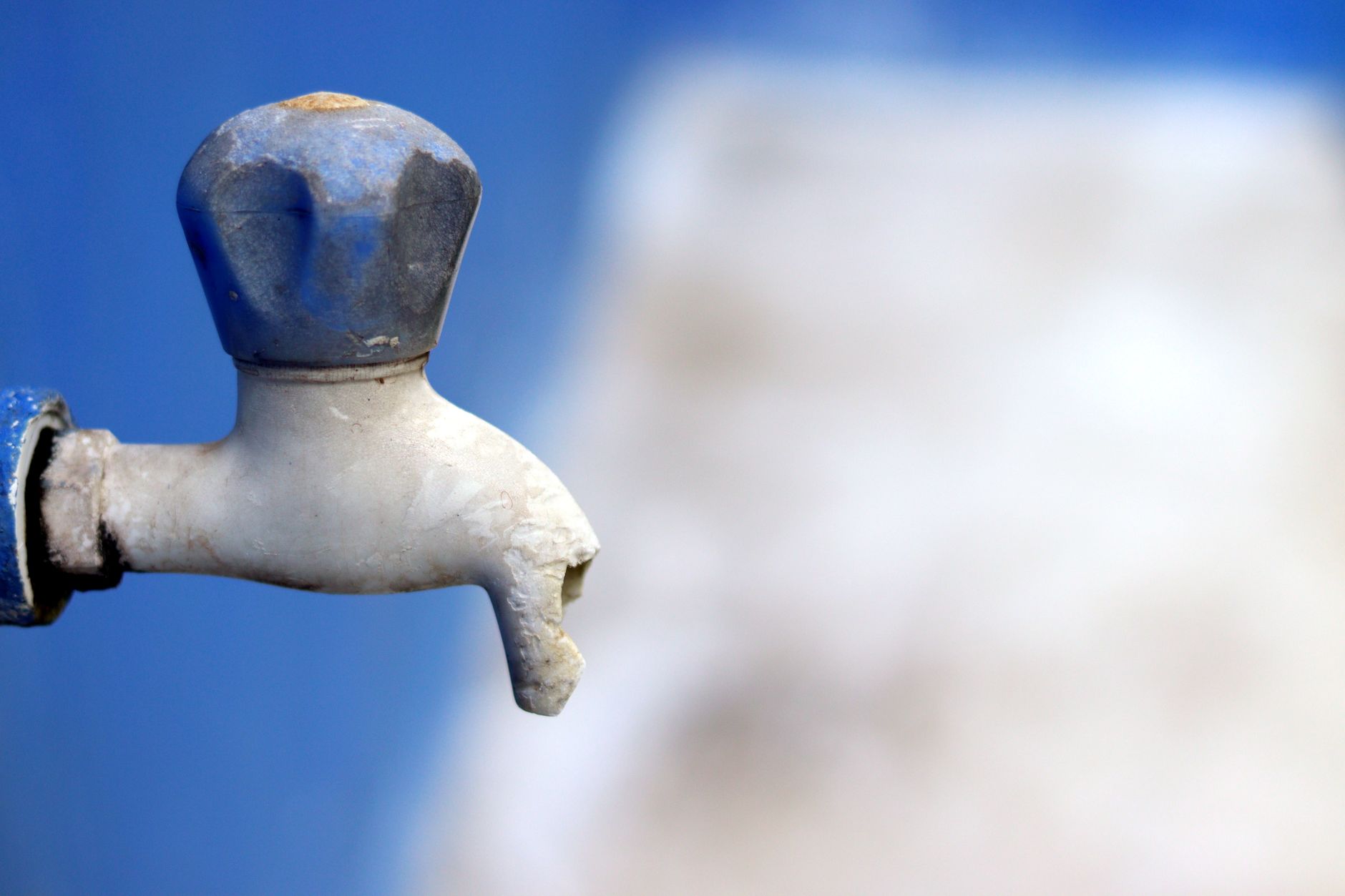
- Inspect Your Pipes: Check for any leaks or damage in your plumbing system. Look for signs of corrosion or wear, particularly in older homes.
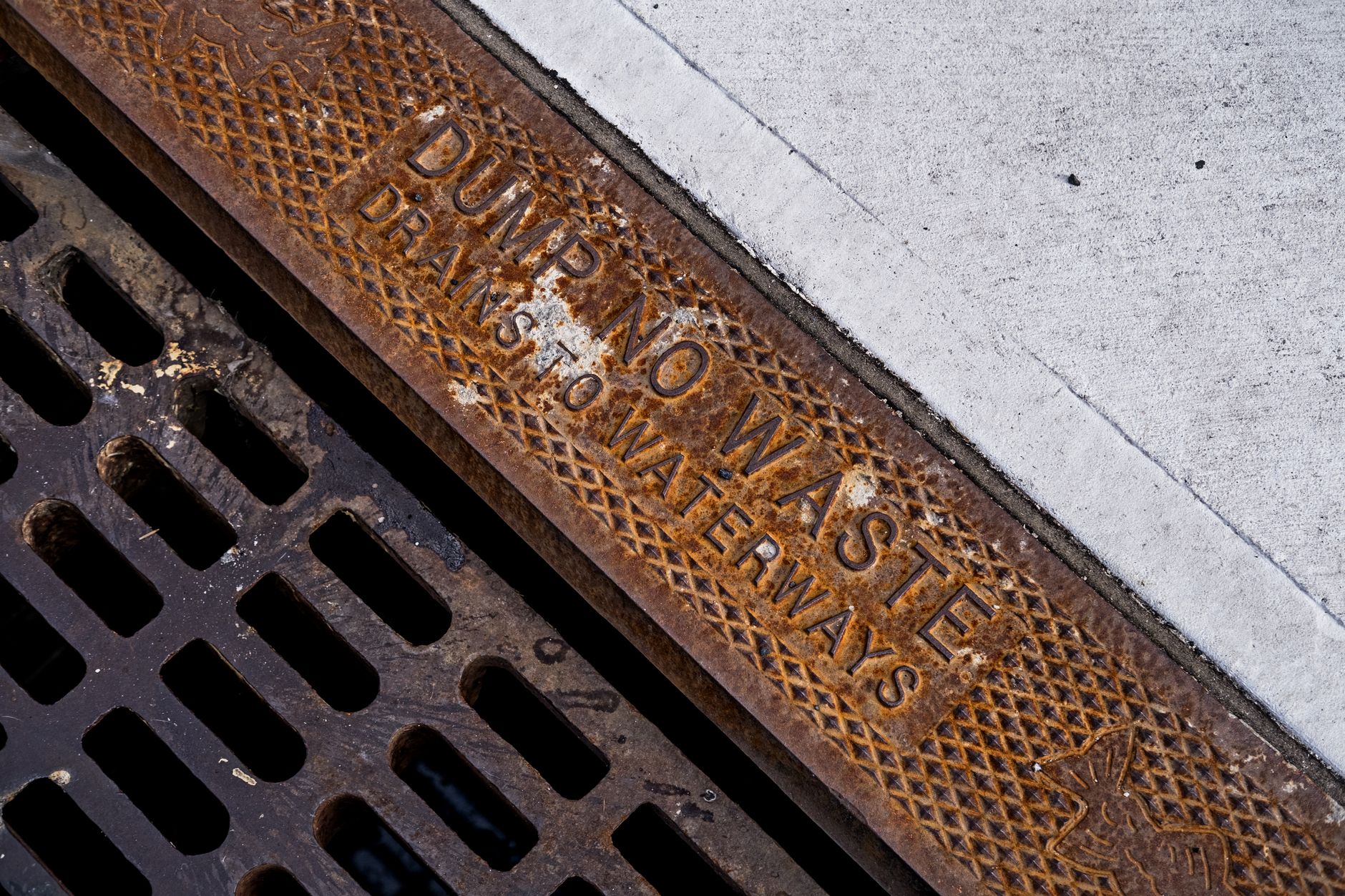
- Clean Gutters and Drains: Ensure that gutters are clear of debris, and all drains are functioning properly. Clogged gutters can lead to overflow, causing damage to your foundation.
- Secure Outdoor Fixtures: If you have outdoor plumbing fixtures, such as hoses or irrigation systems, disconnect them to prevent damage from wind and debris.
It’s also advisable to familiarize yourself with your home’s main water shutoff valve. In case of an emergency, knowing how to quickly turn off the water supply can save you from extensive damage.
During the Storm
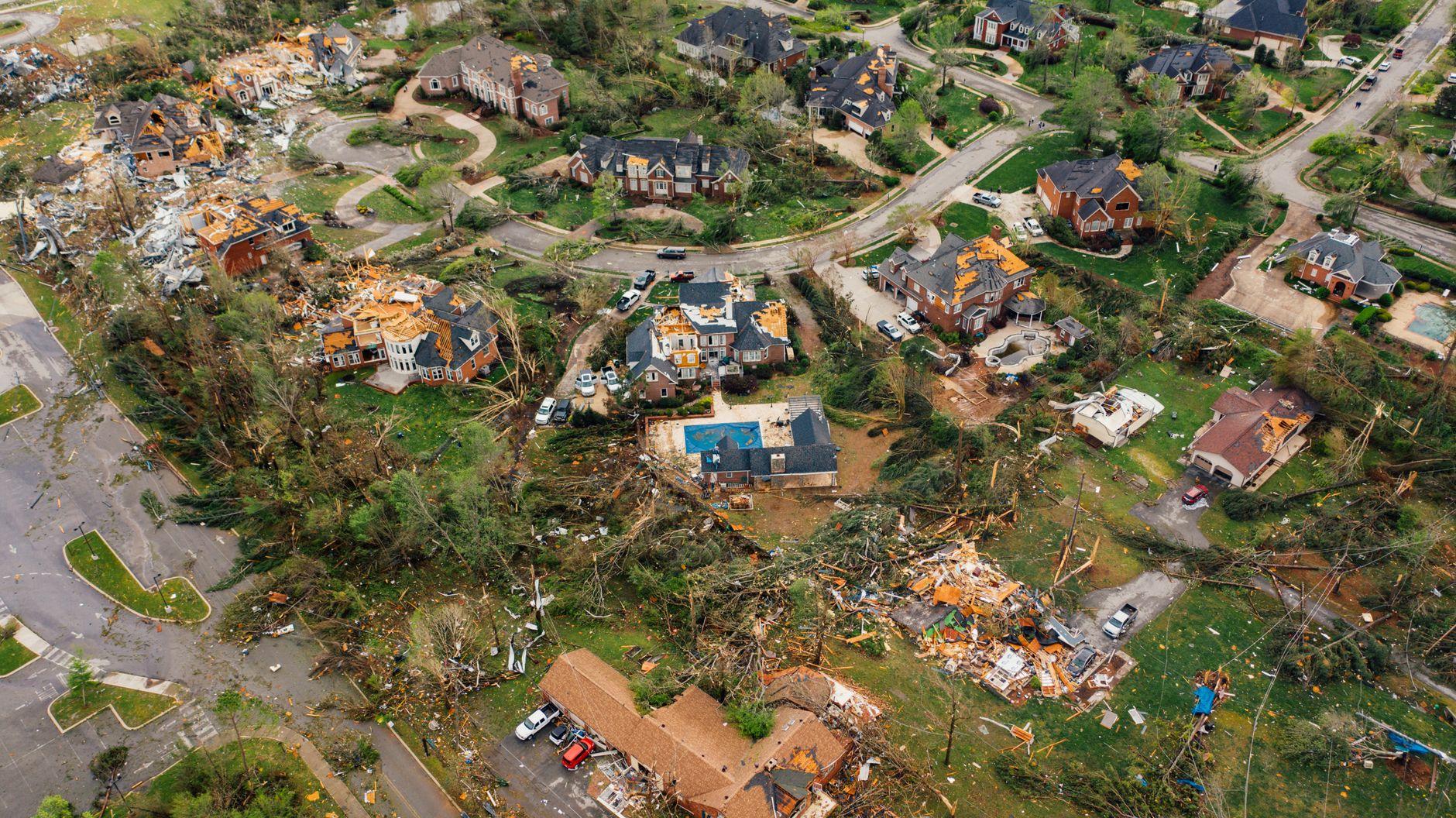
While you may not be able to prevent all plumbing issues during a hurricane, there are actions you can take to minimize potential damage. For instance, keep your water shutoff valve closed to prevent flooding from sewer backups. If you notice any leaks or flooding, it’s essential to document the damage for insurance purposes. Take photos and keep records of any expenses incurred during the repair process.
When to Call a Professional
After the storm passes, inspect your plumbing system thoroughly. If you notice any issues, such as persistent leaks or unusual sounds from your pipes, it’s best to call a plumber immediately. Professional plumbers can provide leak detection services and ensure that your plumbing is safe and functional.
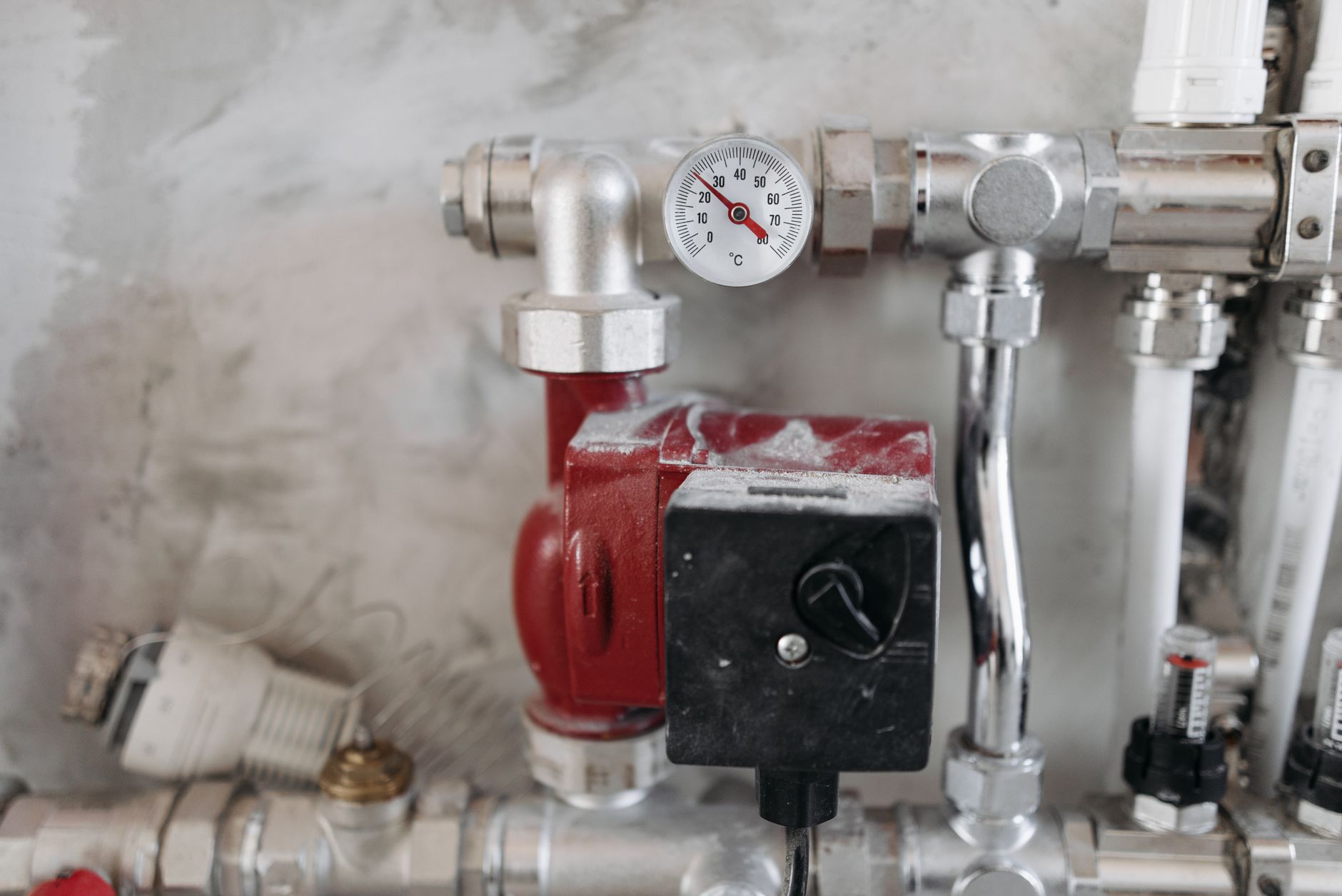
For more extensive damage, consider reaching out to professionals like Palm Beach Plumbing Experts, who can assist with any plumbing emergencies arising from hurricane-related incidents.
Post-Storm Inspection
Once it’s safe to return home, conduct a thorough inspection of your plumbing. Look for signs of water damage, such as:
- Stains on walls or ceilings
- Wet spots on floors
- Unpleasant odors, which may indicate mold growth
If you find any of these signs, it’s essential to address them quickly. Mold can begin to grow within 24-48 hours in damp conditions, leading to additional health and safety concerns.
For more tips on how to prepare your plumbing system specifically for hurricane season, check out this helpful article from our partners at Palm Beach Plumbing Experts.
Conclusion
Safeguarding your plumbing during Miami's hurricane season is not just about preventing damage; it’s about peace of mind. By taking proactive steps before the storm, being vigilant during severe weather, and knowing when to call in professionals, you can protect your home and your family. Remember, preparation is key, and staying informed can make all the difference when disaster strikes.