Understanding Plumbing Pipe Materials Best Suited For Miami's Climate
As a homeowner in Miami, you know that the unique climate plays a significant role in the durability and performance of your plumbing systems. With the high humidity and occasional heavy rainstorms, understanding the best plumbing pipe materials is essential for maintaining a reliable plumbing system.
When it comes to plumbing, different materials come with their own advantages and disadvantages. Choosing the right one can save you not only money but also a lot of headaches down the road. In this article, we’ll explore various plumbing pipe materials and how they fare in Miami’s climate.
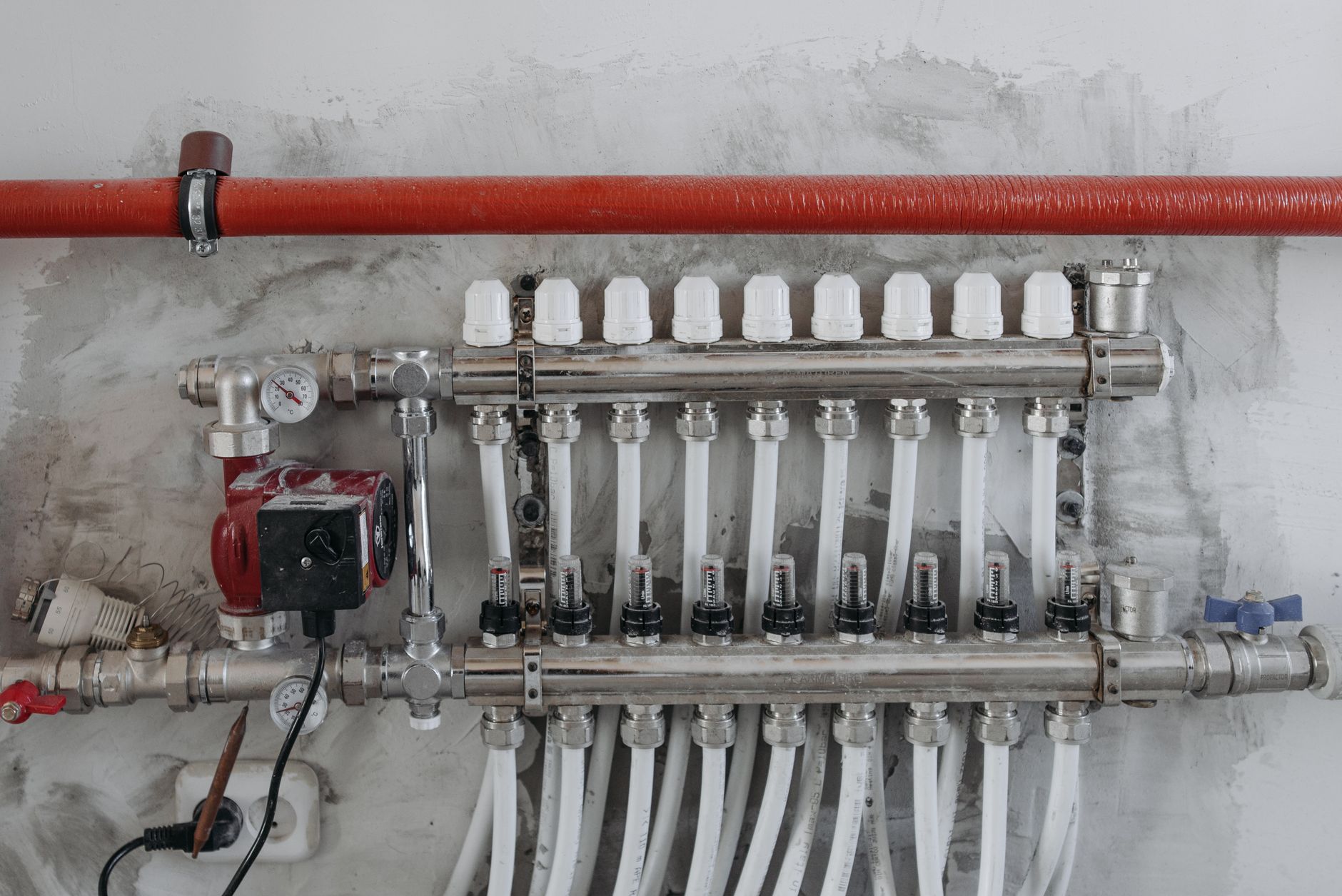
Common Plumbing Pipe Materials
The most common plumbing pipe materials you’ll encounter include:
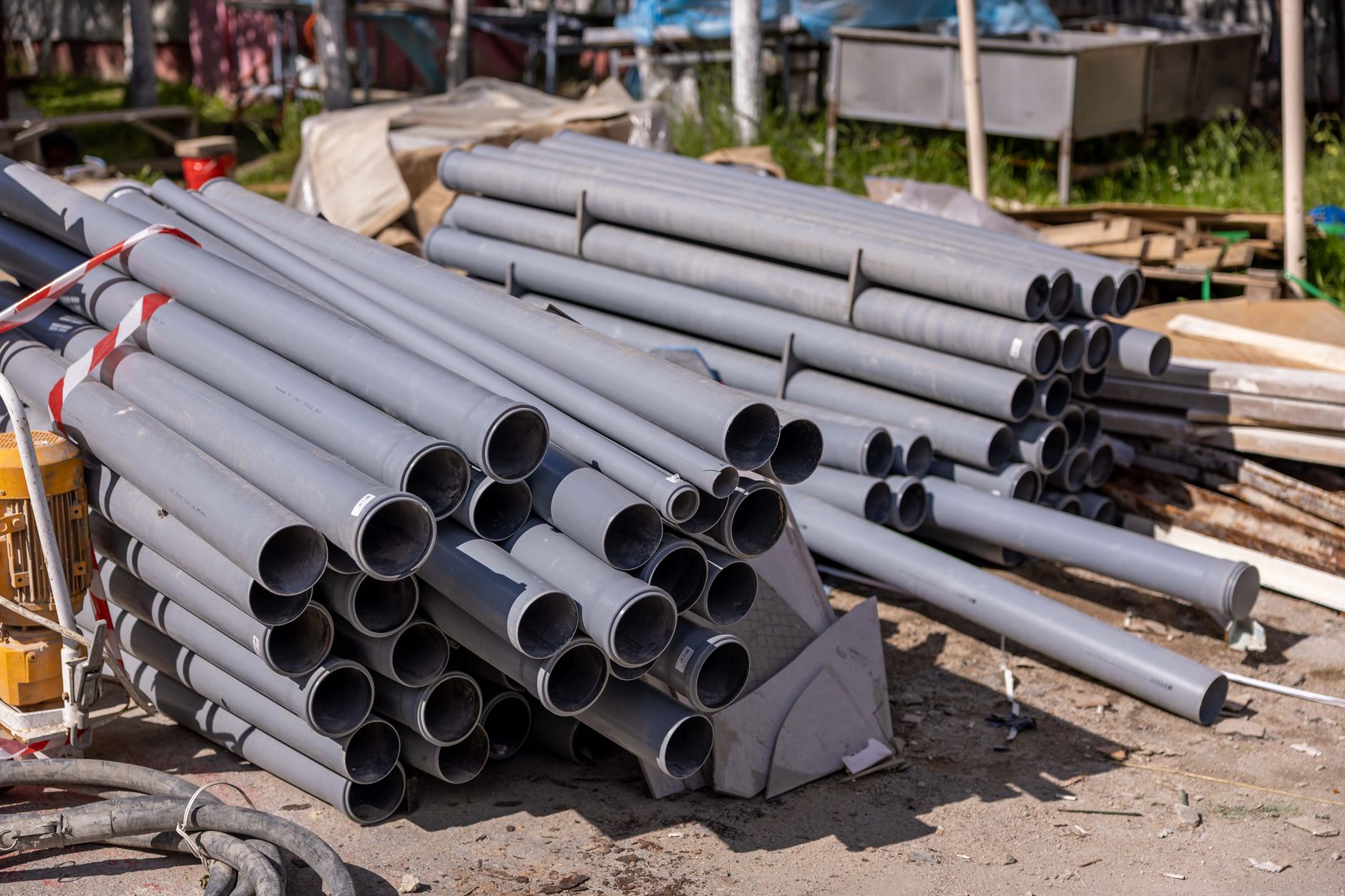
- PVC (Polyvinyl Chloride): Lightweight and resistant to corrosion, PVC pipes are often used for drain, waste, and vent systems. They’re not recommended for hot water, but they perform well in cooler applications.
- CPVC (Chlorinated Polyvinyl Chloride): Similar to PVC but designed to handle hot water, CPVC is a popular choice for residential plumbing. It can withstand higher temperatures and pressure, making it suitable for both hot and cold water lines.
- PEX (Cross-Linked Polyethylene): Flexible and resistant to scale and chlorine, PEX is becoming increasingly popular for both new constructions and retrofits. Its flexibility allows for easier installation and fewer fittings, which can help reduce leak points.
- Cast Iron: Durable and long-lasting, cast iron pipes are effective in noise reduction and are often used for drain lines. However, they are heavy and can be prone to rust over time.
- Copper: Known for its reliability and longevity, copper pipes are often used for water supply lines. They can be expensive, but their resistance to corrosion makes them a favorite among many homeowners.
How Miami’s Climate Affects Pipe Selection
Miami’s tropical climate poses unique challenges for plumbing systems. High humidity can lead to mold growth, particularly around joints and connections. Additionally, the salt air near coastal areas can lead to accelerated corrosion of certain metals.
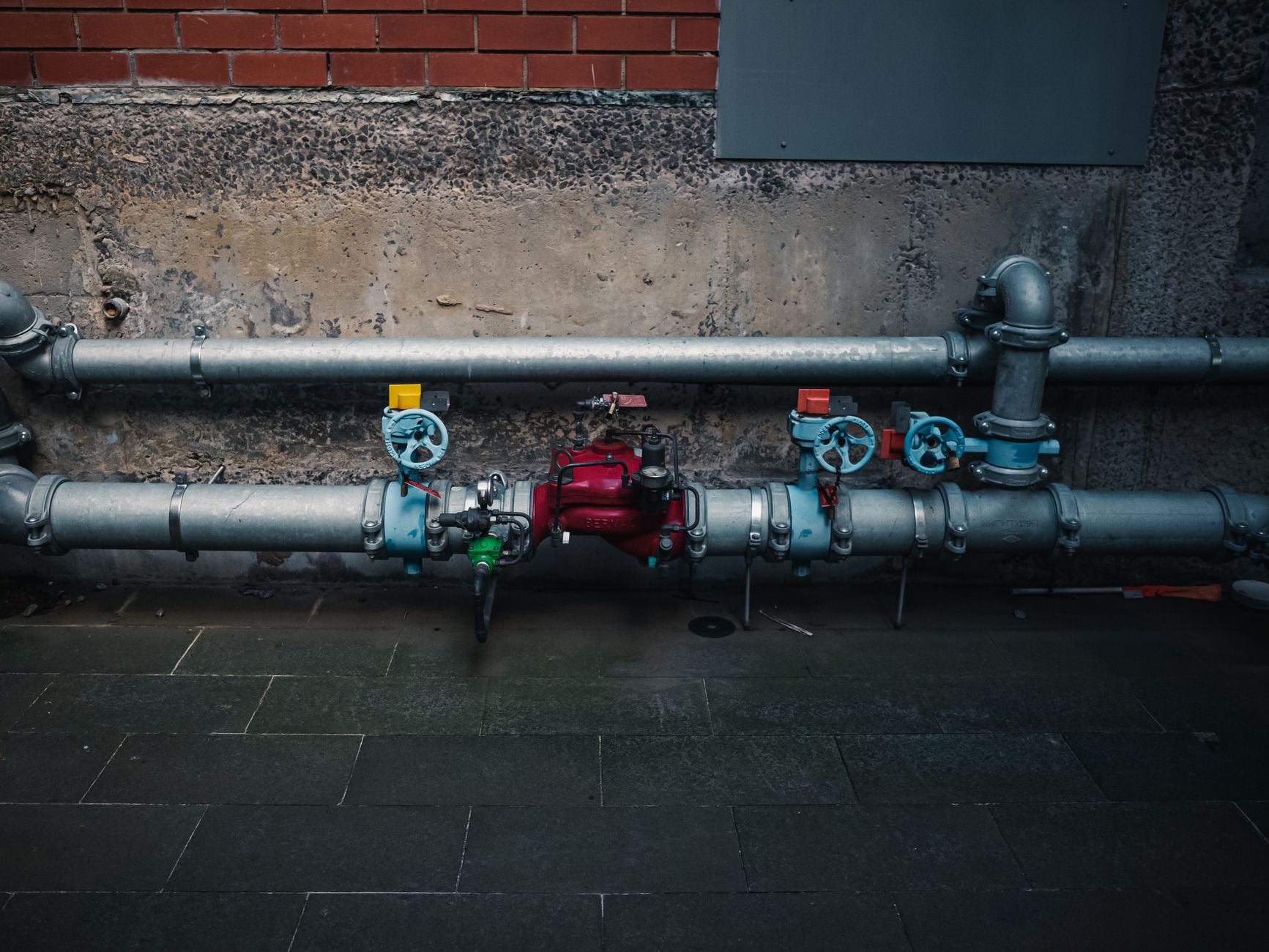
Given these factors, it's essential to consider the following when selecting pipe materials:
- Corrosion Resistance: Materials like PVC, CPVC, and PEX are less susceptible to corrosion compared to metal pipes.
- Moisture Management: Ensure that your chosen materials can manage moisture effectively to prevent mold and mildew growth.
- Temperature Fluctuations: Select materials that can handle the high temperatures typical of Miami summers, especially for hot water lines.
When to Call a Professional
Even with the best materials, plumbing issues can still arise. If you notice signs like damp spots on walls, unusual noises from pipes, or an increase in your water bill, it’s time to call a plumber. A professional can conduct a thorough inspection and help identify any potential problems before they escalate.
For those who are not confident in DIY repairs, enlisting the help of a plumber can ensure that your installation is up to code and tailored to your specific needs. For instance, if you’re considering a new system, you might want to consult with professionals who understand the local regulations and conditions, such as the experts at Palm Beach Plumbing Experts.
Conclusion
Choosing the right plumbing pipe material is a pivotal decision for any homeowner in Miami. By understanding the nuances of materials like PVC, CPVC, PEX, cast iron, and copper, you can make informed choices that cater to the local climate conditions. If you’re ever in doubt, don’t hesitate to seek professional advice; it can save you from costly repairs and ensure your plumbing system remains efficient and reliable.
If you wish to delve deeper into the specifics of plumbing codes affecting homeowners in the region, consider checking out this insightful article on local plumbing codes.